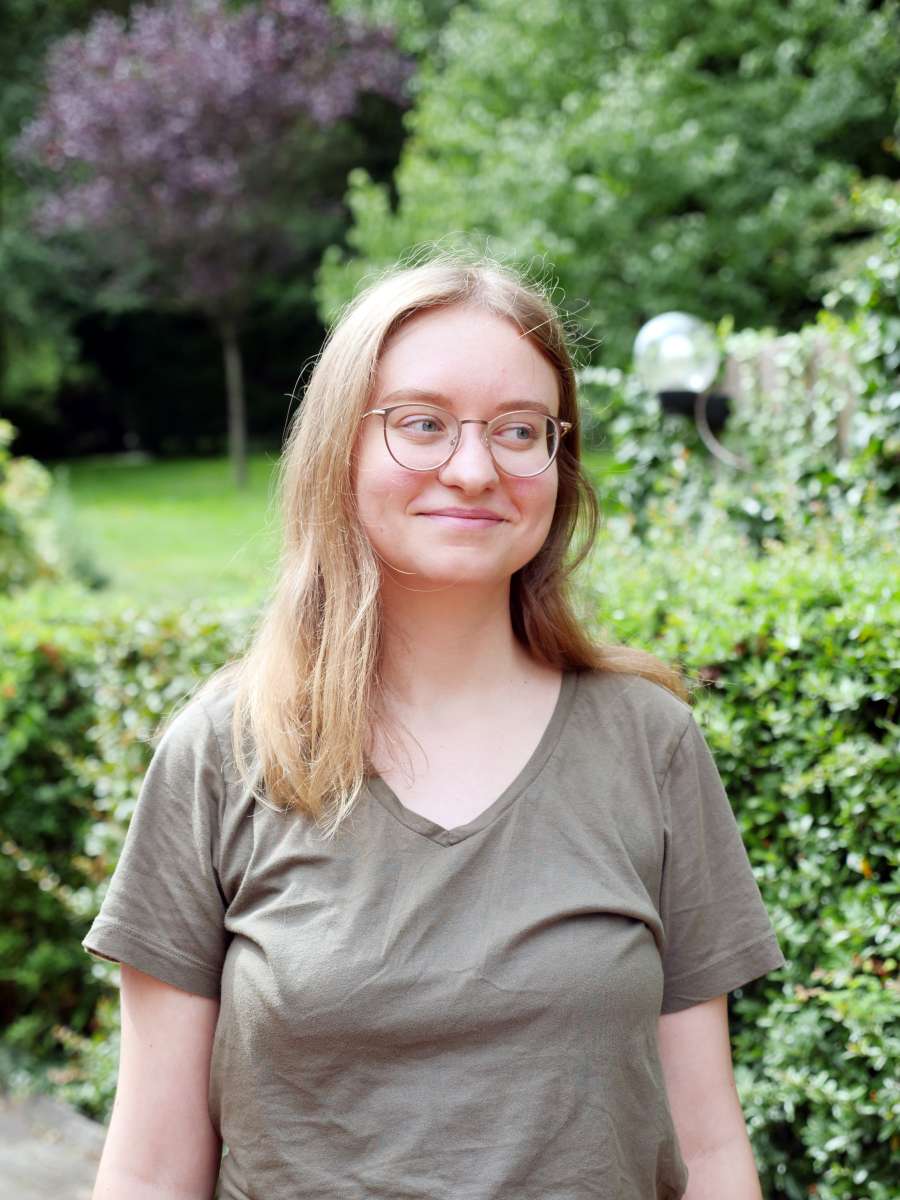
25, acquiring a doctorate in history
DonetskLeipzig (Germany)
The Russian war of aggression against Ukraine was called “the most documented war in history”: news, photos, and video materials appear daily. Oral history has become a method of documenting the events and a way to make Ukrainian voices heard. However, many scholars must “turn the spotlight on themselves” to reflect on their experiences today.
On 1-3 June 2023, the symposium “The Most Documented War. Symposium for Documentation and Archiving Initiatives” took place in Lviv, organized by the Center for Urban History. More than 100 participants shared their experiences of collecting and presenting memories about the Russian war against Ukraine. Most of the projects presented concerned the practice of collecting evidence of war and Russia´s war crimes. The covered topics ranged from the evidence of Bucha, experiences of people with disabilities during the war, and stories of growing up during the war to the experience of giving birth during the war.
According to the data presented at the “Language and War” conference in Hannover, Germany (February 24, 2023), since the beginning of the full-scale invasion, 109 projects have appeared that position themselves as oral history projects on Russian military aggression. In comparison, in 2013, Ukrainian researcher Gelinada Grinchenko emphasized that oral history in Ukraine is still developing as an academic field that allows evidence of experienced violence to be included in school syllabi, etc. The occupation of Crimea and the beginning of the war in the eastern part of Ukraine stirred up this process, drawing attention to the need for the method of oral history as a documentation of the events that are happening right now.
Oral History in Times of War
According to the data, most project teams are located in Ukraine (69%), continuing their work even in the face of continuous shelling from Russia, power outages, and other consequences of the war.
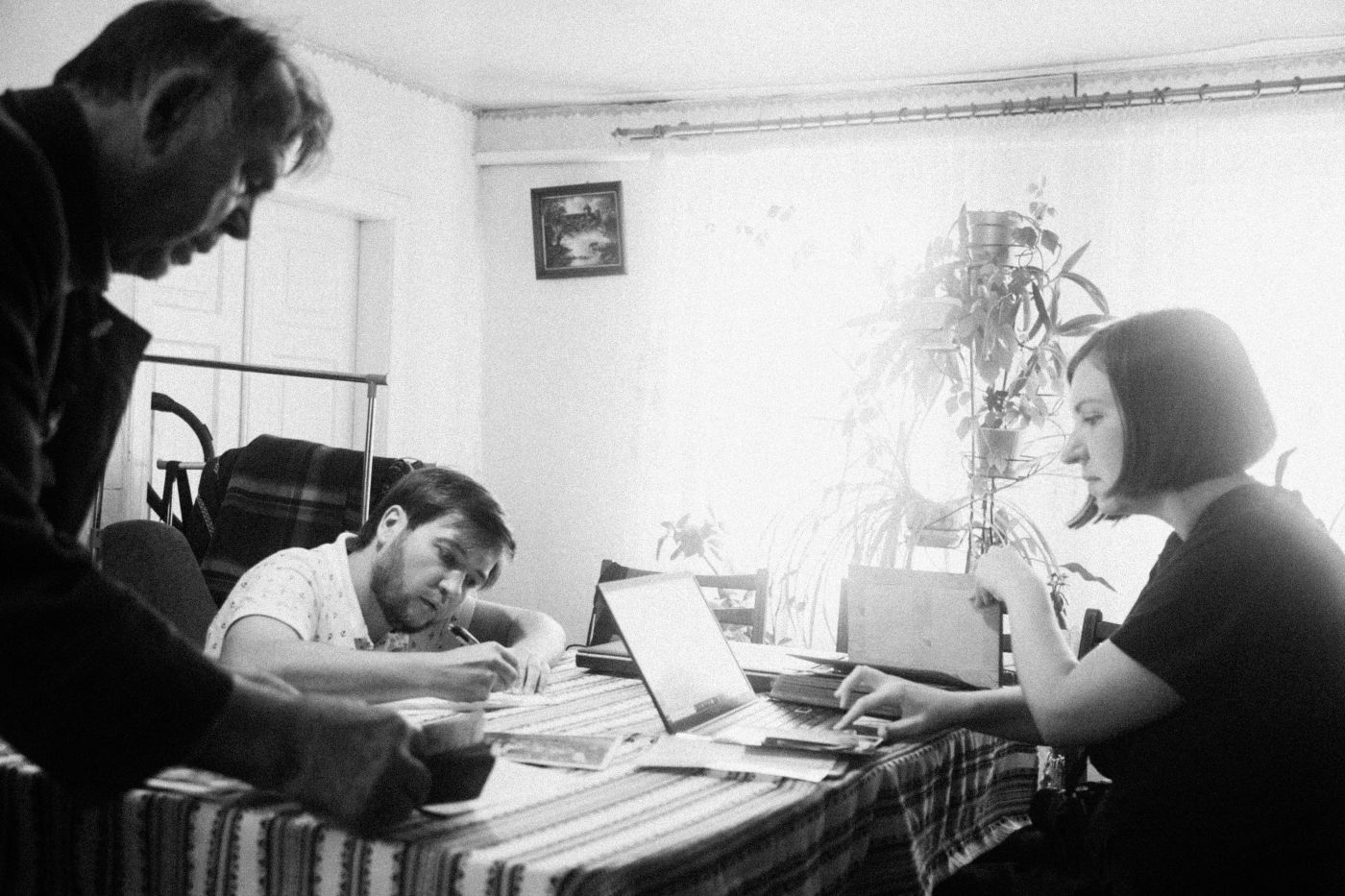
The "After Silence" team during the interview recording. Kniagynynok village, Volyn region, 2022
Non-Government Organisation After Silence has been working on witness recording since 2021. During the full-scale invasion, they not only continued their work by recording witnesses of the Holocaust, World War II, and Soviet repression but also started a new project, “24.02: Life After”. The project documents the experiences of the people whose lives changed after the full-scale war started. Anna Yatsenko, chair of the board and culture manager of After Silence, said: “With the beginning of the full-scale invasion, we did not know whether to resume our work at all [witness recordings]. We were engaged in volunteering, and friends and acquaintances constantly came to my house [in Lviv] in need for shelter. They told their evacuation stories (...) We called it ‘conversations,’ not oral history interviews.” However, eventually, they stopped this project: “Many people began to refuse to speak, began to devalue their stories.” Today After Silence continues its work by recording witnesses of violent events of the 20th century. “We do not add questions about the present to the questionnaire. But people themselves talk about how they experience today's war,” said Anna. “Shelling from Russia complicates our mobility (...) Narrators can be in constant danger, their health deteriorates, and we often must postpone or cancel recordings.” Working under constant danger has become a reality for Ukrainians, and the After Silence team is motivated to continue comprehending the tragedies of the twentieth century, so that “modern Russian criminals do not escape punishment.”
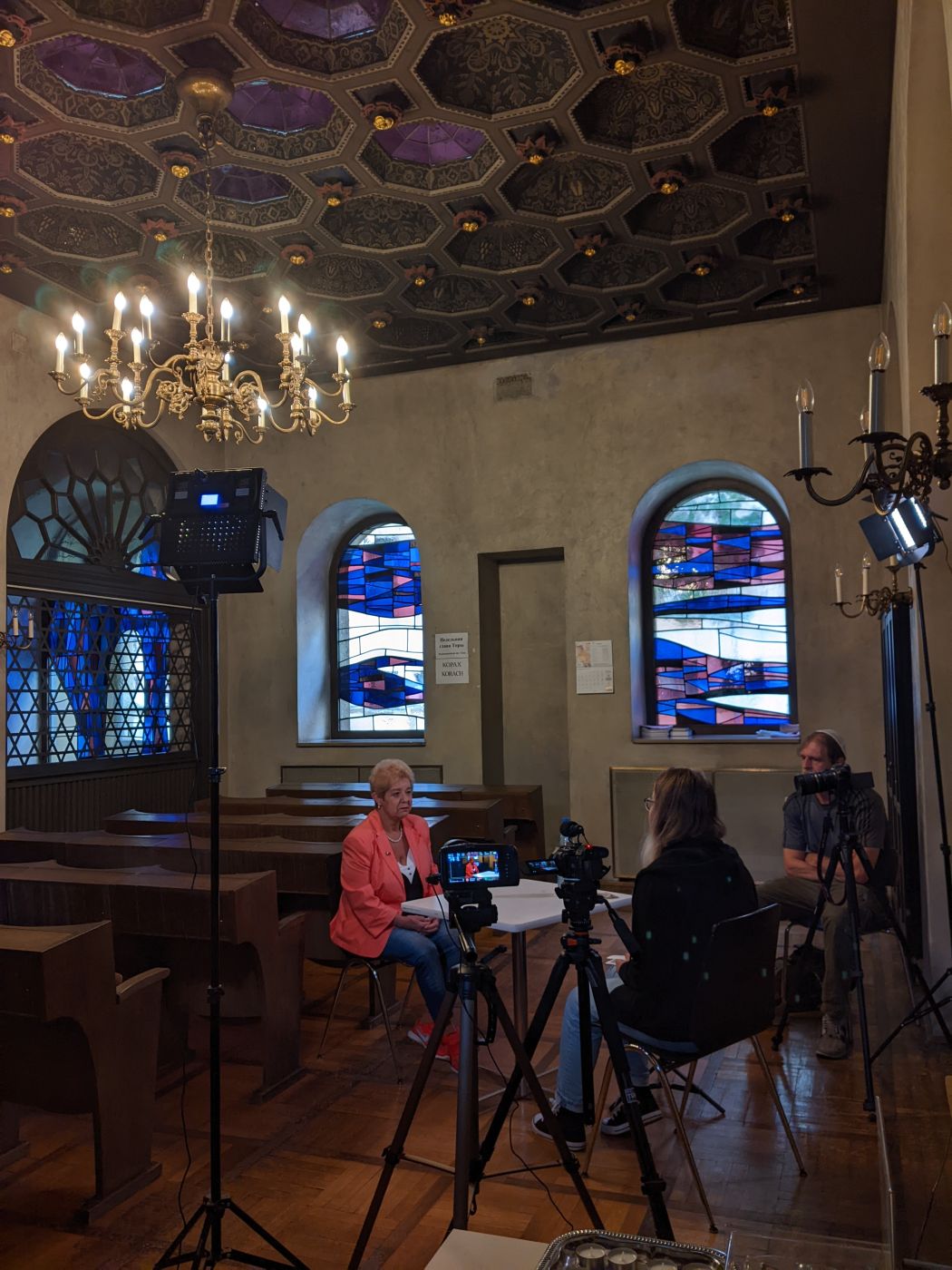
The "After Silence" team collects the stories of people deported to Siberia in the 1950s. Tsutsiliv village, Ivano-Frankivsk region, 2023
Ukrainian Voices Outside
Many projects were also initiated abroad: Poland, USA, Sweden, Germany, Czech Republic, etc. This interest is caused by the emerging need to “hear” voices from Ukraine, so foreign projects invited Ukrainian specialists to help “discover” Ukraine abroad. Liza Siviets is one of the scholars from Ukraine who was invited by the team of the Gestapokeller and Augustaschacht Memorials in Osnabrück, Germany, in order to work on a project organized by the team in cooperation with the charity foundation Terre des Hommes Germany. “They [the team in Osnabrück] came up with the idea about this project right after the full-scale invasion,” says Liza. Within the project, she recorded 30 interviews with young people from 15 to 25 about growing up during the war. Currently, the interviews are waiting to be uploaded to the memorial´s website.
As a fellow of the Jewish Museum Augsburg Swabia, I worked on the exhibition “Voices: Mosaic of Ukrainian Jewish life” with the local team, who came up with the same idea – to “discover” Jewish life in Ukraine for the German audience. As a result, we created the exhibition entirely based on interviews with the Ukrainian Jewish community in different languages: Ukrainian, German, English, Polish, and Russian.
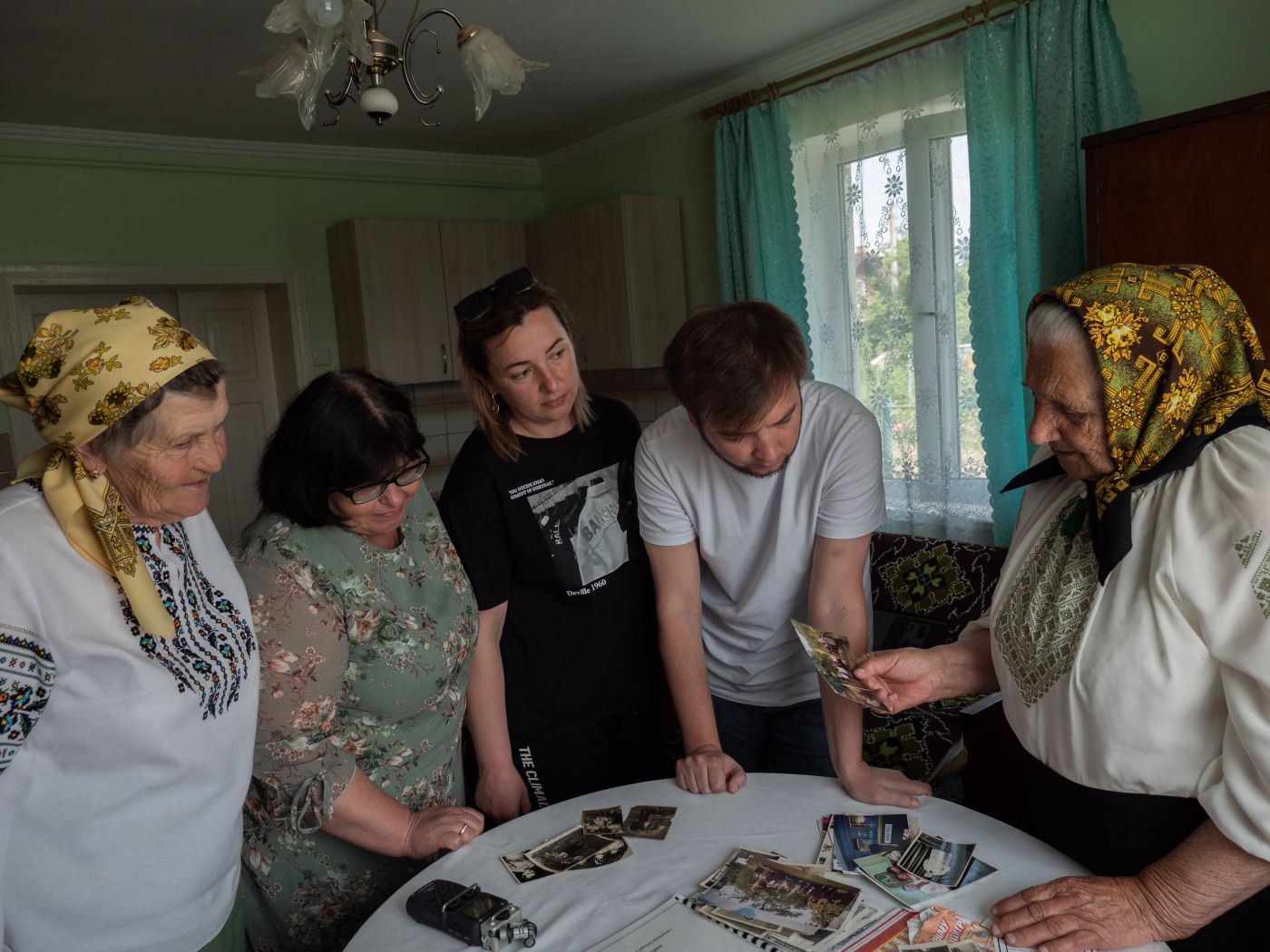
Recording of a conversation with Sofia Taubina, a member of the Jewish community of Augsburg (born in Kherson). Jewish Museum, Augsburg, 2022
However, such work often creates new challenges for Ukrainian scholars. “I am the only Ukrainian in my team [in Osnabrück],” explained Liza; “I often feel isolated: they [non-Ukrainian colleagues] simply do not understand [me]. It is not their war and not their grief. The project and the idea are very cool, but I miss a partner who would care and would not need to be explained some obvious things [about Ukraine].” The feeling of isolation and that no one truly understands you and your emotions may refer to all Ukrainians who started their life in another country since the start of the war. This feeling can influence your work life, especially when it comes to oral history and interviews, where you hear and read about the experiences of other Ukrainians who have faced similar trauma. Retraumatization can be a dangerous issue for scholars, which cannot always be overcome only through self-reflection. Among the interviews I recorded in the Jewish community of Augsburg was one with a woman from my hometown, Donetsk. While working on this interview, I had to pause many times to keep my emotions in check/under control.
Reflecting and Rethinking
Oral history today is only one part of the work that Ukrainians are doing to preserve evidence of the war and “reveal” it to those who want to know and understand Ukraine. Scholars who find the strength and/or have the possibility to work face challenges that we have yet to overcome. However, Ukrainian researchers are already trying to reflect on their harrowing experiences. Dr. Natalia Otrishchenko, a sociologist and researcher at the Center for Urban History in Lviv, is working on a book that aims to reflect on the experiences of researchers and offer methodological tips for those documenting the war experience, including the format of oral history. Dr. Otrishchenko describes her book as an “invitation to thinking” and exploring the practices of collecting, preserving, and publishing eyewitness stories while the war continues.
The full-scale war presented Ukrainian researchers with challenges that have yet to be understood and resolved. Oral history in Ukraine has come a long way, from small academic projects to documenting the experiences of war and the need for Ukrainian voices outside the country. Today, however, many researchers must “turn the spotlight on themselves” to reflect on their experiences and find the safest way to work in extreme conditions.
Published in Mitropa, the annual magazine of the Leibniz Institute for the History and Culture of Eastern Europe (GWZO), Leipzig, Germany.
Text: Dariia R.